Premium Packaging Boxes for Every Requirement - Check Out Our Variety Now!
High-quality packaging serves a critical function in presenting and protecting products. It influences customer perception and can enhance brand loyalty. Businesses have diverse needs when it comes to packaging, whether for retail, shipping, or special events. Understanding the variety of options available is crucial for making informed decisions. As companies seek to improve their packaging solutions, various factors come into play, each with its own implications. The journey to finding the right fit commences here.
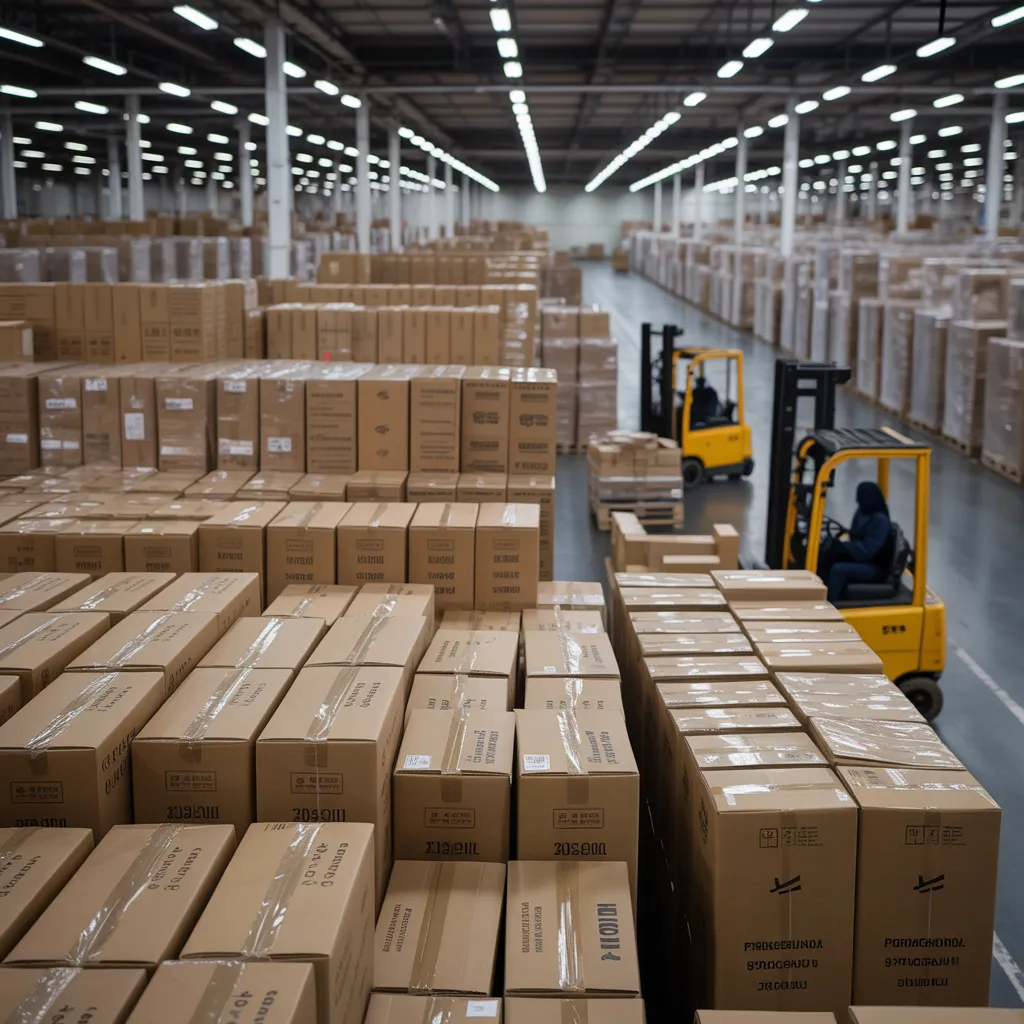
The Importance of Quality Packaging for Your Products
Quality packaging plays an essential role in the success of any product. It acts not only as a protective barrier against damage but also as a valuable marketing tool that shapes consumer perception. Thoughtfully crafted packaging can enhance brand identity, making products more recognizable and appealing to potential buyers. It delivers important information, including usage instructions and ingredients, while also showcasing the brand's values and commitment to quality.
Moreover, superior packaging can improve the entire customer experience. A product that reaches the customer in pristine condition and is straightforward to open fosters customer satisfaction and promotes repeat purchases. In highly competitive markets, packaging can separate a product from its contenders, grabbing attention on store shelves. Hence, committing in quality packaging is essential for businesses aiming to create a lasting impression and foster brand loyalty. Ultimately, the relevance of quality packaging goes beyond aesthetics, impacting sales and customer retention in substantial ways.
Green Packaging: Eco-Friendly Solutions for Your Business
As organizations continue to focus on sustainable practices, eco-friendly packaging options are becoming essential. Eco-degradable materials and recyclable alternatives deliver considerable benefits, minimizing ecological footprint while attracting environmentally aware customers. This change not only improves company standing but also corresponds with international campaigns promoting conscientious purchasing.
Green Packing Choices
Although traditional packaging techniques often contribute to environmental degradation, biodegradable packaging alternatives offer a sustainable option that corresponds to modern eco-conscious values. These materials, obtained from natural substances like cornstarch, paper, and plant fibers, break down more readily in the environment, minimizing landfill waste and pollution. Businesses implementing biodegradable packaging exhibit a commitment to sustainability, appealing to consumers who value eco-friendly practices. Additionally, these alternatives often preserve the necessary durability and functionality needed for various products, making certain that quality is not compromised. By choosing biodegradable packaging, companies can efficiently minimize their ecological footprint while encouraging a greener future, ultimately fostering a more sustainable relationship with their customers and the planet.
Recyclable Materials Benefits
Countless businesses are progressively recognizing the benefits of using recyclable materials in their packaging solutions. By opting for recyclable materials, companies not only advance environmental sustainability but also strengthen their brand image. This shift can bring about reduced waste, decreasing the overall carbon footprint associated with production and disposal. Many consumers opt for brands that prioritize eco-friendly practices, often bringing about increased customer loyalty and sales. In addition, the use of recyclable packaging can yield cost savings over time, as it may lower raw material expenses and disposal fees. As regulations surrounding packaging waste become stricter, businesses that utilize recyclable materials position themselves as leaders in sustainable practices, guaranteeing compliance and fostering a positive relationship with environmentally conscious consumers.
Choosing the Right Packaging: Key Considerations to Consider?
When choosing packaging, businesses should consider the durability and strength of the materials to guarantee their products remain protected during transit. In addition, the size and shape of the packaging play critical roles in maximizing efficiency and minimizing waste. These factors together influence not only the preservation of items but also the overall customer experience.
Durability and Strength of Materials
The durability and strength of materials represent critical factors in the selection of packaging solutions. The choice of material directly determines the capability of the packaging to withstand external pressures, environmental conditions, and transportation challenges. Corrugated cardboard, for instance, delivers excellent strength-to-weight ratios, making it ideal for shipping heavy items. Meanwhile, plastic packaging offers resistance to moisture and chemicals, suitable for perishable goods. Additionally, materials such as metal and wood are selected for premium products, conveying an image of quality and longevity. Understanding the specific requirements of the items being packaged assists in selecting the right material that provides protection, enhances shelf life, and reduces the risk of damage during transit, ultimately leading to customer satisfaction and brand loyalty.
Dimensions and Form Factors
Size and shape constitute vital related resource factors in the design of packaging, affecting not only the aesthetic appeal but also the functionality of the product. Choosing the appropriate dimensions secures that items fit securely, reducing movement during transport and decreasing the risk of damage. Moreover, the shape can elevate shelf presence, making products more visually appealing to consumers.
Consideration of size and shape also affects storage efficiency; well-designed packaging maximizes space in both warehouses and retail environments. Moreover, certain industries may need unique shapes to comply with regulatory standards or branding requirements. Finally, understanding these factors allows businesses to create packaging that not only protects their products but also effectively communicates their brand identity.
Personalized Packaging: Elevate Your Brand Experience
Customized packaging holds a vital position in forming the brand experience, as it functions both as a safeguard for products and as an effective marketing instrument. Businesses can leverage custom packaging to create a memorable first impression, enhancing customer engagement and loyalty. By embedding exclusive designs, colors, and materials, brands can match their packaging to their brand identity, making it readily distinguishable in a competitive market.
Moreover, custom packaging presents opportunities for storytelling. Brands can express their values and mission through well-considered packaging choices, cultivating a deeper connection with consumers. Sustainable options, for instance, can engage environmentally conscious customers, strengthening a brand's commitment to sustainability.
Additionally, tailored components, such as custom labels or thank-you notes, can enhance the unboxing experience, turning a routine task into a delightful moment. In summary, committing to custom packaging is vital for brands seeking to elevate their visibility and resonate with their target audience.
Individual Boxes vs. Bulk Packaging: Key Information You Need
When evaluating packaging solutions, businesses often face the decision between bulk packaging and individual boxes. Bulk packaging typically presents cost savings and efficiency for companies with high-volume products. It facilitates streamlined logistics, reduced material usage, and easier storage. Businesses can package multiple items together, minimizing the time spent on individual packing.
Conversely, individual boxes accommodate products requiring unique presentation or protection. They elevate branding and customer experience, making them perfect for retail environments or e-commerce. Individual packaging allows for personalized marketing efforts, such as custom designs or information inserts.
Ultimately, the selection between bulk packaging and individual boxes depends on the specific needs of the business, including cost considerations, product type, and target audience. Companies must weigh these factors meticulously to determine which packaging solution best fits their operational goals and customer expectations.
Creative Present Packaging Suggestions for Presents and Celebratory Events
A myriad of creative packaging ideas can transform gifts and special occasions, transforming ordinary items into memorable experiences. Original packaging not only elevates the aesthetic appeal but also adds an element of surprise. For example, using green materials such as burlap or recycled paper can communicate a thoughtful message while being visually captivating.
Individual touches, for example custom labels or handwritten notes, can make the recipient feel special. Additionally, incorporating themed elements, for example seasonal decorations or color-coordinated ribbons, can enrich the complete presentation.
Imaginative packaging shaped like animals or geometric designs can also fascinate and please. For a whimsical touch, consider using transparent packaging that showcases the gift inside. At last, the right packaging can create anticipation, making the act of gifting as enjoyable as the gift itself, making certain that the occasion remains memorable for both the giver and the recipient.
Guidelines for Securely Storing & Shipping Your Belongings
After choosing the appropriate packaging for gifts, attention should also be paid to the safe storage and shipping of products. Adequate preparation can stop damage and assure goods reach their destination intact. To begin, it is crucial to use premium boxes made for the specific weight and fragility of the contents. Packing peanuts, bubble wrap, or crumpled paper can deliver additional cushioning.
During item storage, a climate-controlled environment is perfect to stop moisture damage. Marking boxes distinctly will facilitate organizing and provide easy access. While in transit, securing the box with durable tape and including "Handle with Care" or "This Side Up" labels can alert handlers to exercise care.
Lastly, picking the right shipping service that fits the urgency and care necessary for the items can make a substantial difference. These elements collectively contribute to a successful storage and shipping process.
The Process of Evaluating and Selecting Top Packaging Suppliers
How does one identify the most suitable packaging supplier? Reviewing potential suppliers involves several key factors. First, the quality of materials is paramount; a supplier should supply durable options that secure products. Additionally, it is crucial to assess the range of packaging solutions at hand. A reliable supplier should meet diverse needs, from boxes to custom designs.
Price and value should also be considered, guaranteeing that the supplier offers competitive costs without compromising quality. In addition, a reliable supplier should have a strong reputation; customer reviews and testimonials can provide insight into their service and reliability.
Communication stands as another crucial element; responsive suppliers can promptly address any concerns. Additionally, evaluate lead times and delivery options to maintain prompt order completion. Through detailed assessment of these considerations, businesses can make informed decisions when identifying the ideal packaging supplier for their specific needs.
FAQ
What Materials Are Frequently Used in High-Quality Packaging Boxes?
High-quality packaging boxes are usually manufactured from materials including corrugated cardboard, paperboard, plastic, and green options including recycled materials. These materials offer resilience, protection, and visual appeal for different products and shipping needs.
How Can I Guarantee My Packaging Remains Tamper-Proof?
To make certain packaging is tamper-proof, one should utilize security seals, choose robust materials, implement tamper-evident designs, and consistently educate staff on proper sealing procedures to copyright integrity and safeguard contents effectively.
Are There Minimum Order Quantity for Custom Packaging?
Many custom packaging vendors set minimum order quantities, generally spanning from fifty to five hundred units. This stipulation aids in streamlining production processes and cuts costs, ensuring efficient service for businesses searching for customized packaging alternatives.
Is It Possible to Get Samples Prior to Placing a Bulk Order?
Sample availability is common before placing a bulk order. Customers should reach out to the supplier to ascertain specific options, costs, and delivery times for receiving sample packaging boxes designed for their needs.
What Is the Production Time for Custom Packaging Orders?
Production timelines for custom packaging orders generally vary from 2 to 4 weeks, subject to design complexity and order volume. Variables such as material availability and production schedules could also influence delivery timelines.